Supplements for Skin Health: Nurturing Your Skin from Within
Achieving healthy, glowing skin isn't just about the creams and serums you apply externally; it's also about what you put into your body. Vitamins and supplements can play a pivotal role in supporting skin health from the inside out.†
Can Vitamins and Supplements Improve Your Skin?
Your skin is a reflection of your overall health. Essential vitamins and minerals support skin structure, function, and appearance.† Vitamins A, C, and E, along with minerals such as zinc, have antioxidant properties that combat free radicals, which can cause premature aging and skin damage. In addition, compounds such as collagen and omega-3 fatty acids contribute to maintaining skin elasticity and hydration.† While a balanced diet is the best way to obtain these nutrients, supplements can help fill any gaps, especially if you have specific skin concerns or dietary restrictions.
Which Vitamins and Supplements Are Best for Skin?
Several key vitamins and supplements have been identified as beneficial for skin health.
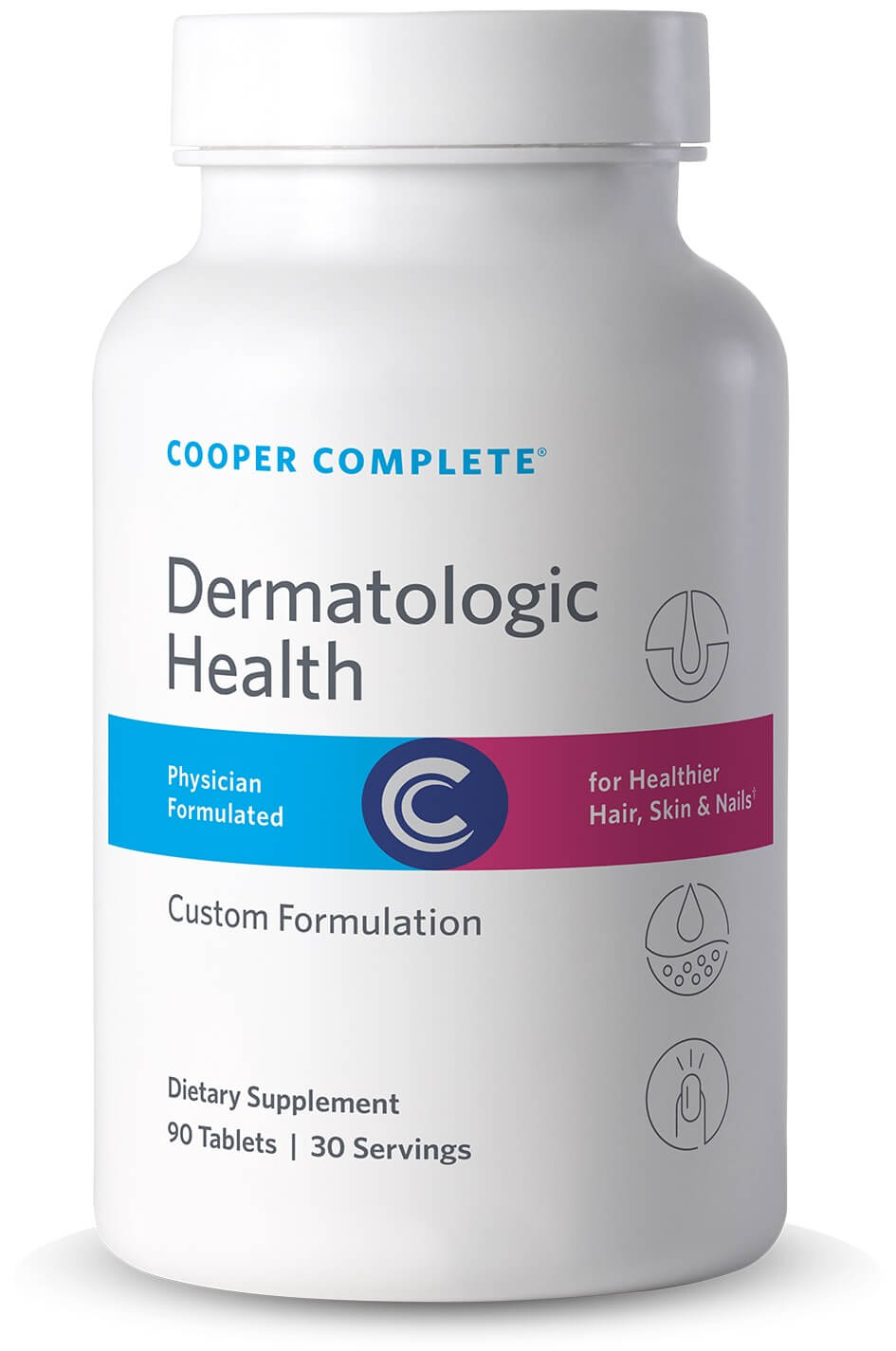
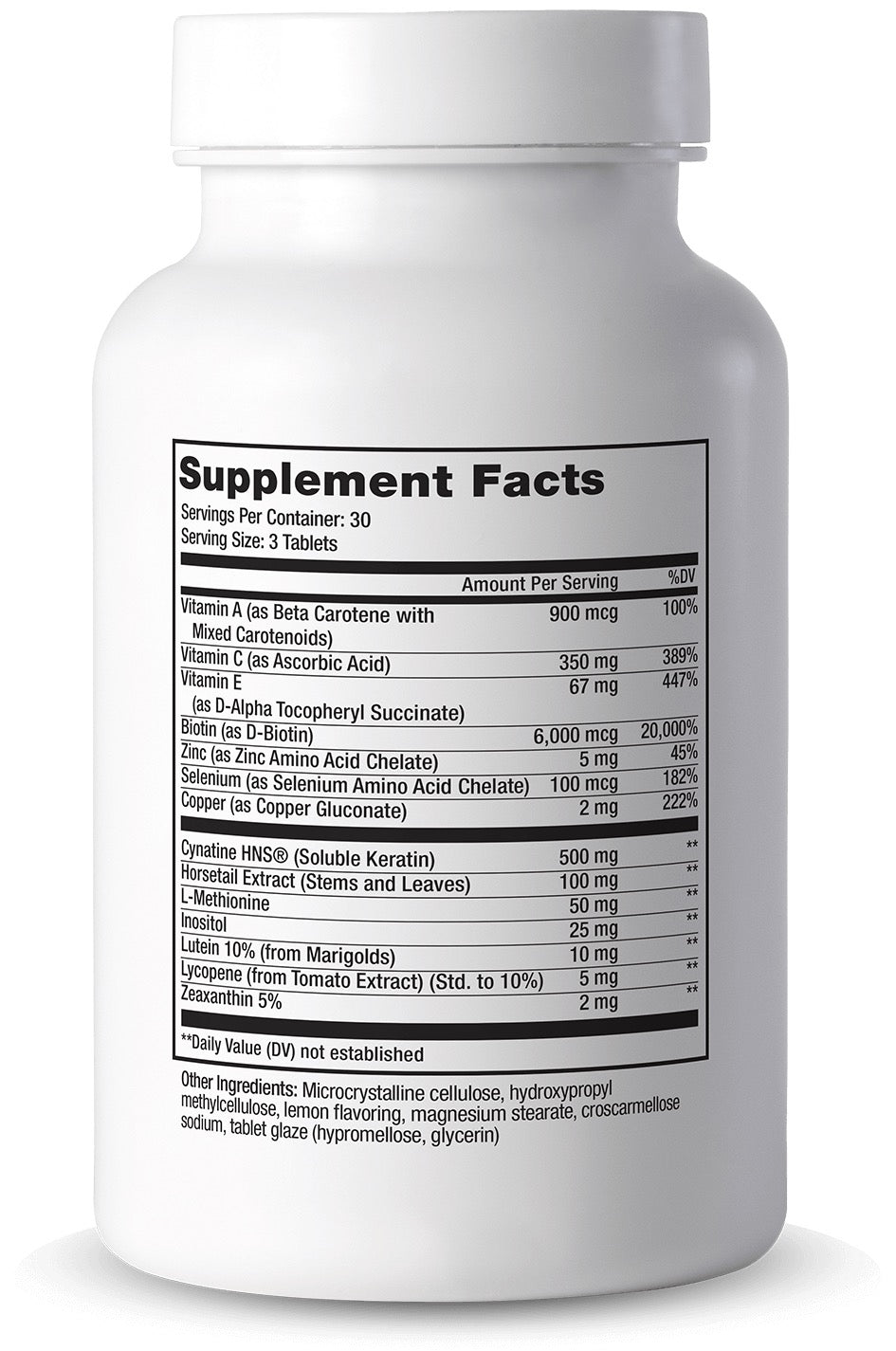
- Vitamin A supports cell production and repair, helping to maintain skin integrity and reduce signs of aging.† Our Dermatologic Health supplement includes vitamin A.
- Vitamin C aids in collagen synthesis, protecting the skin from oxidative stress and promoting firmness.† Our Dermatologic Health supplement includes vitamin C.
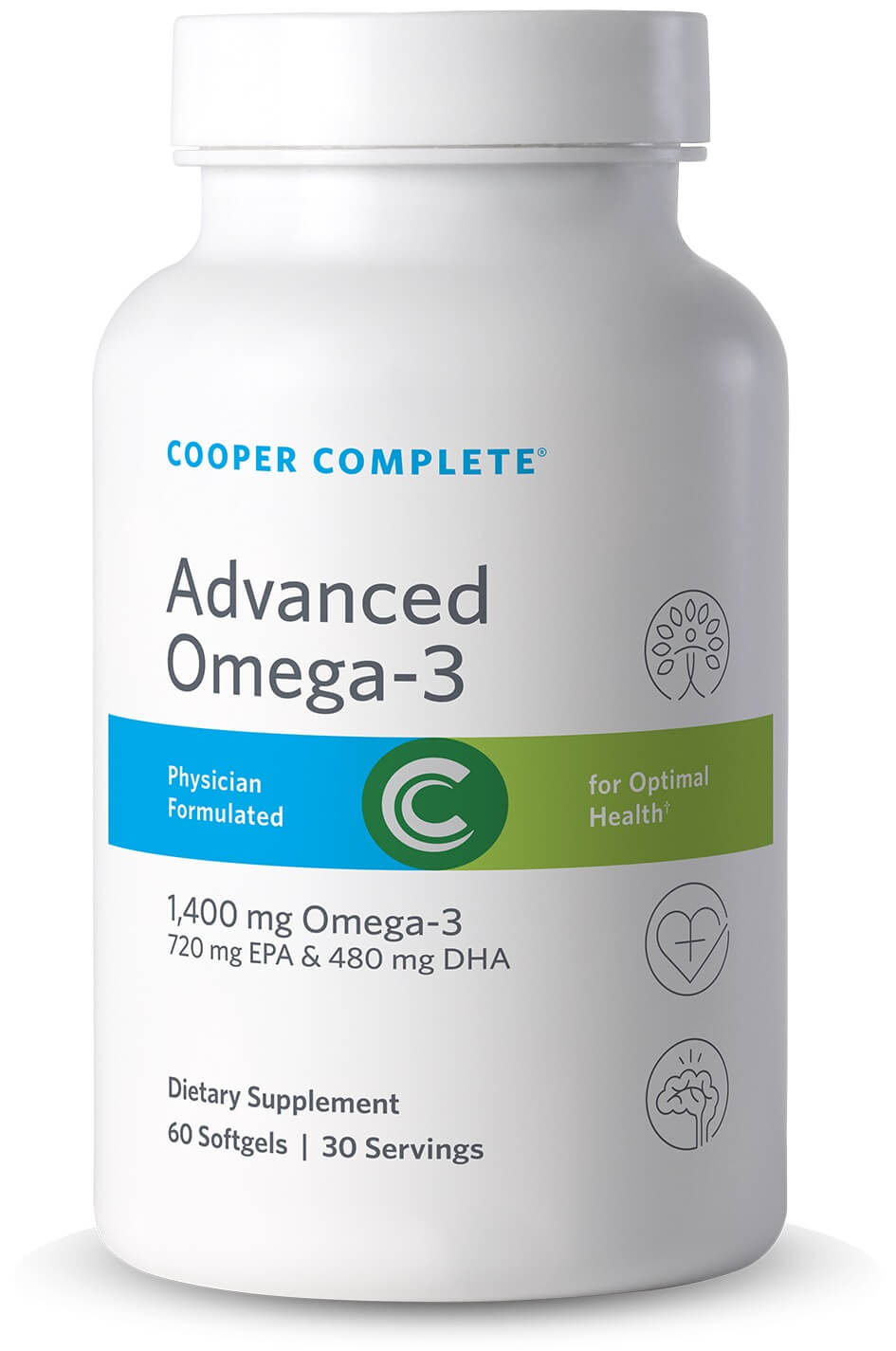
- Omega-3 fatty acids support skin hydration and can reduce inflammation†, potentially alleviating conditions like dryness and redness.
- Collagen is a structural protein that maintains skin elasticity and firmness.† Supplementation may help counteract the natural decline in collagen production with age.
Incorporating these nutrients through supplementation can enhance skin health, particularly when dietary intake is lacking.
Single Vitamins vs. Multivitamins
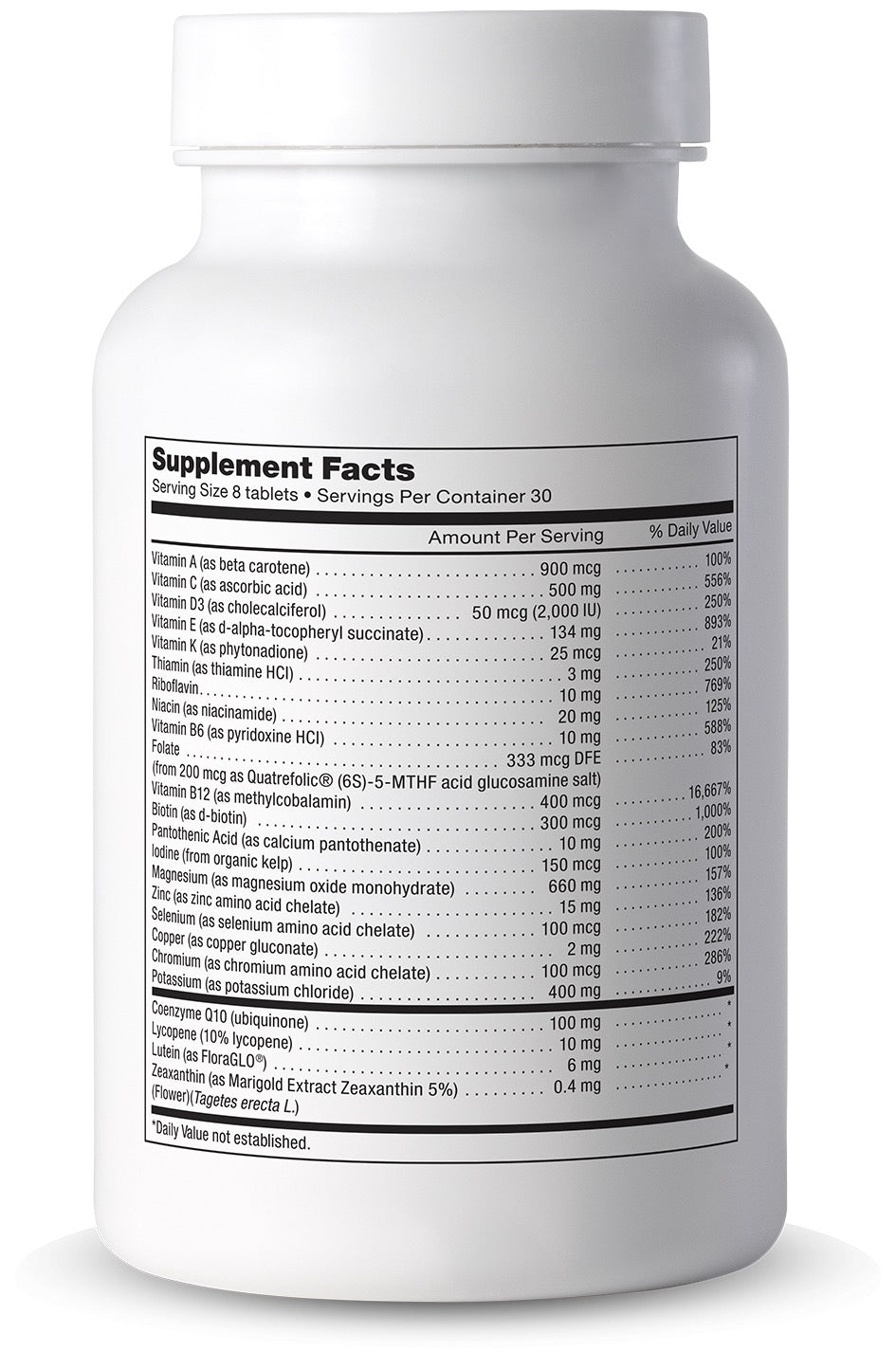
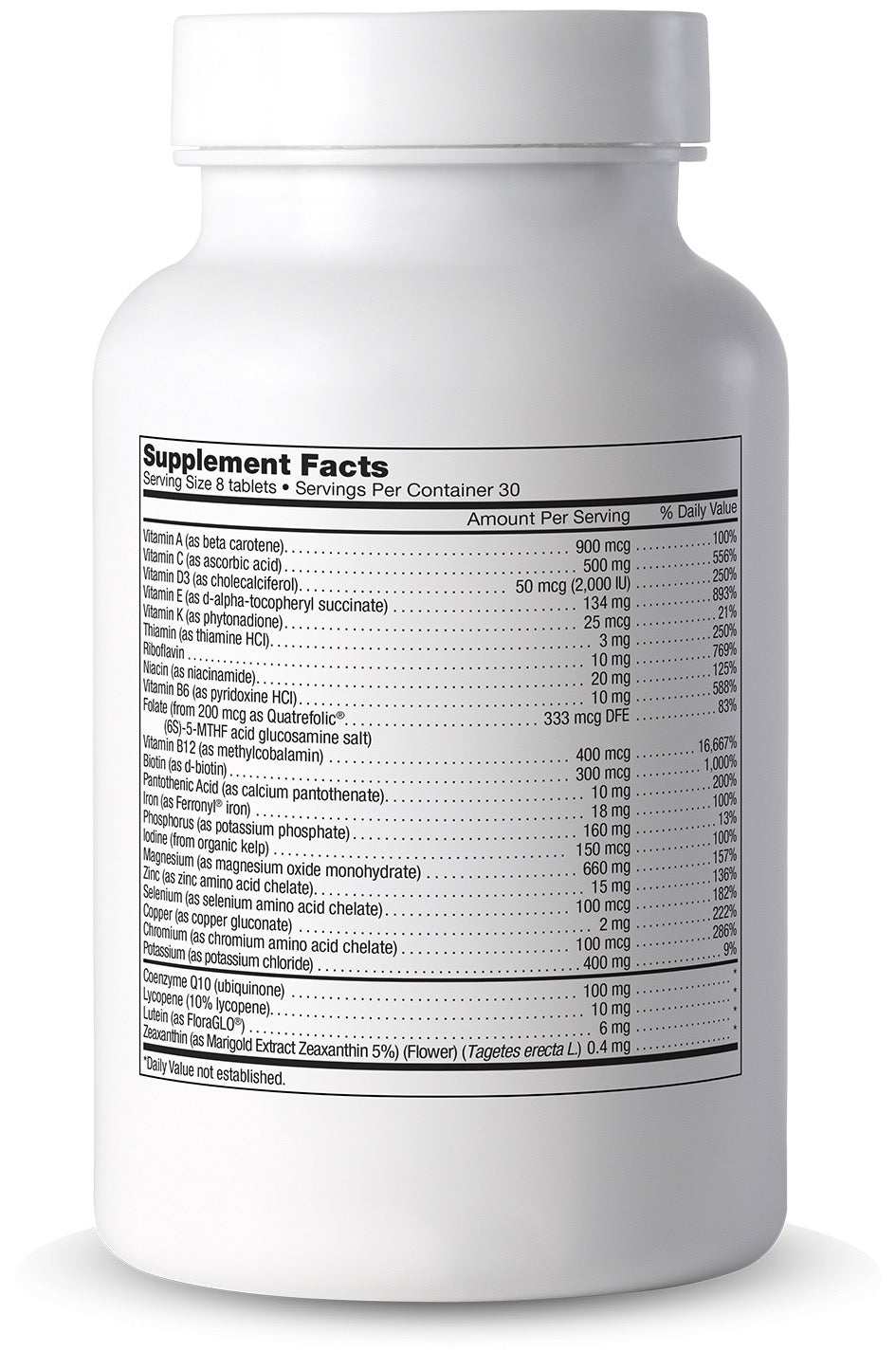
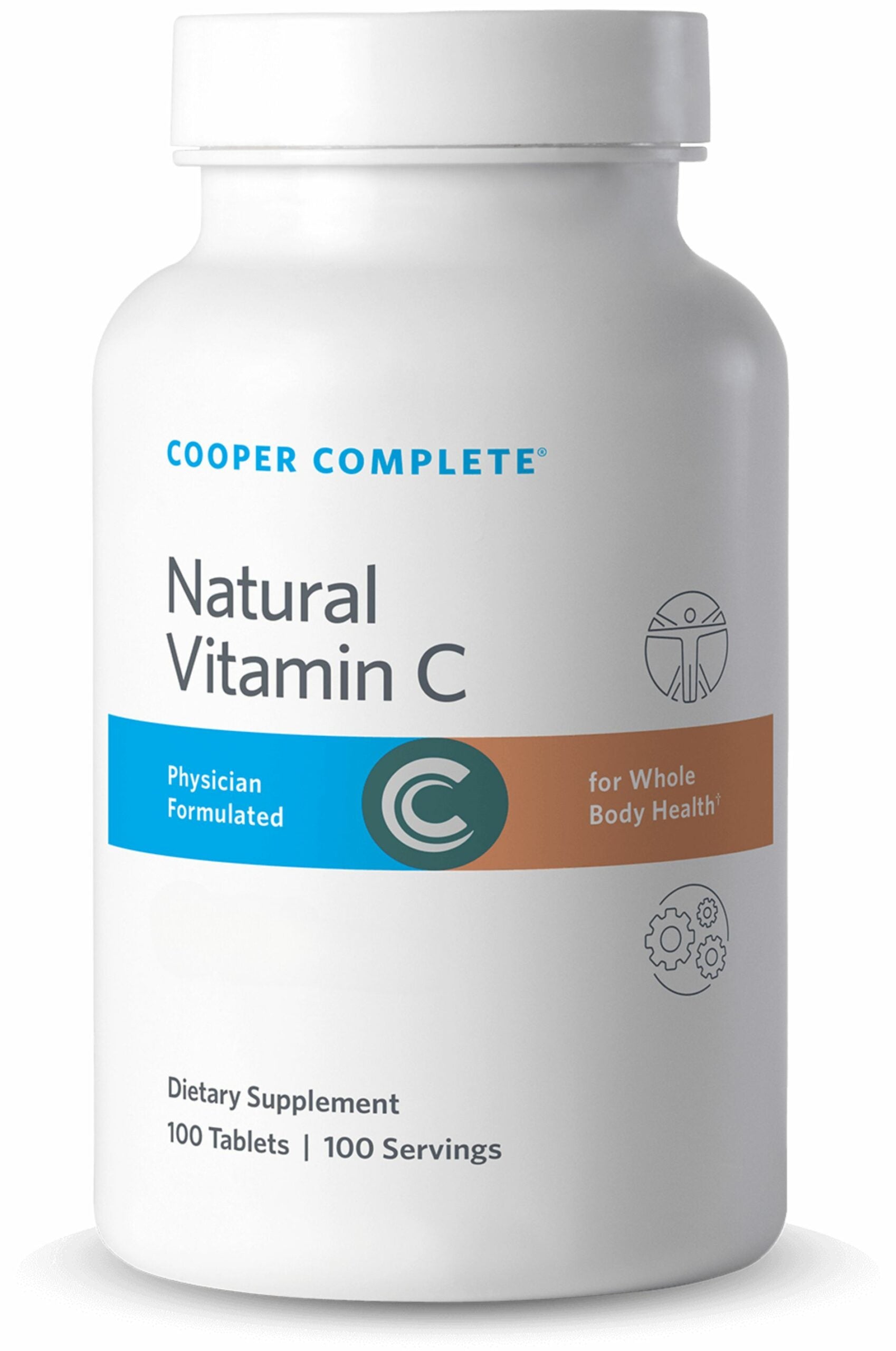
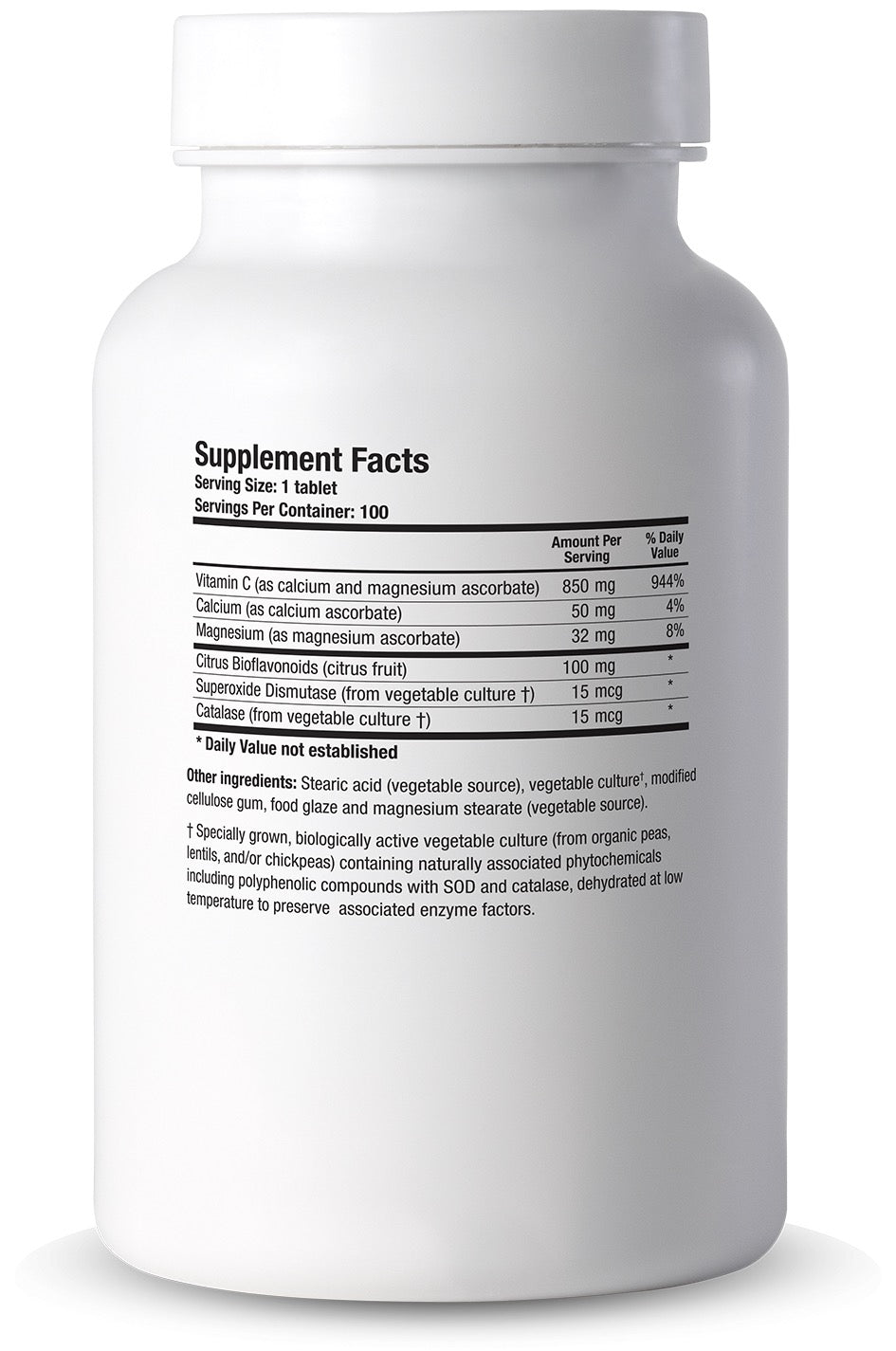
When considering supplements for skin health, you might wonder whether to choose single vitamins or a comprehensive multivitamin. Single vitamin supplements can be beneficial if you have a specific deficiency or want to target a particular skin concern. For example, if you're not getting enough vitamin C from your diet, a standalone supplement can help. On the other hand, multivitamins provide a broad spectrum of nutrients that support overall health, including skin health. They can be a convenient way to ensure you're getting a balanced intake of essential vitamins and minerals, especially if your diet varies or you have multiple nutritional gaps.
Beneficial Supplements for Skin Health
Focusing on products specifically formulated to support skin health, the following supplements offer targeted benefits.
Developed by Cooper Clinic board-certified dermatologists, this supplement provides key nutrients formulated with ingredients shown in clinical research to support healthy skin, hair, and nails.† It includes vitamin A, biotin, antioxidant vitamins C and E, ingredients such as lutein, lycopene, and zeaxanthin, and branded Cynatine HNS® soluble keratin. These components help prevent skin damage and may slow signs of skin aging† caused by harmful ultraviolet radiation.
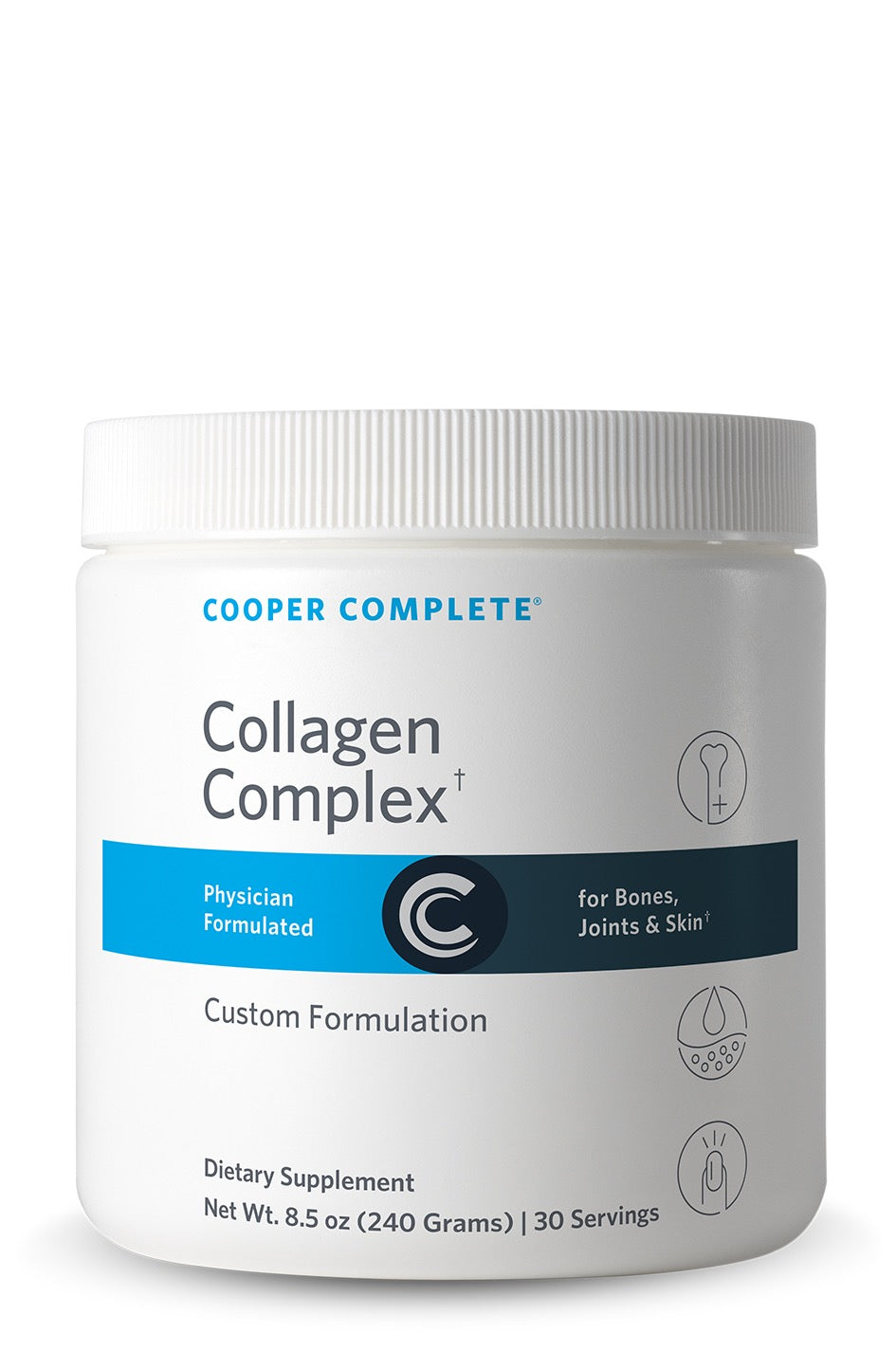
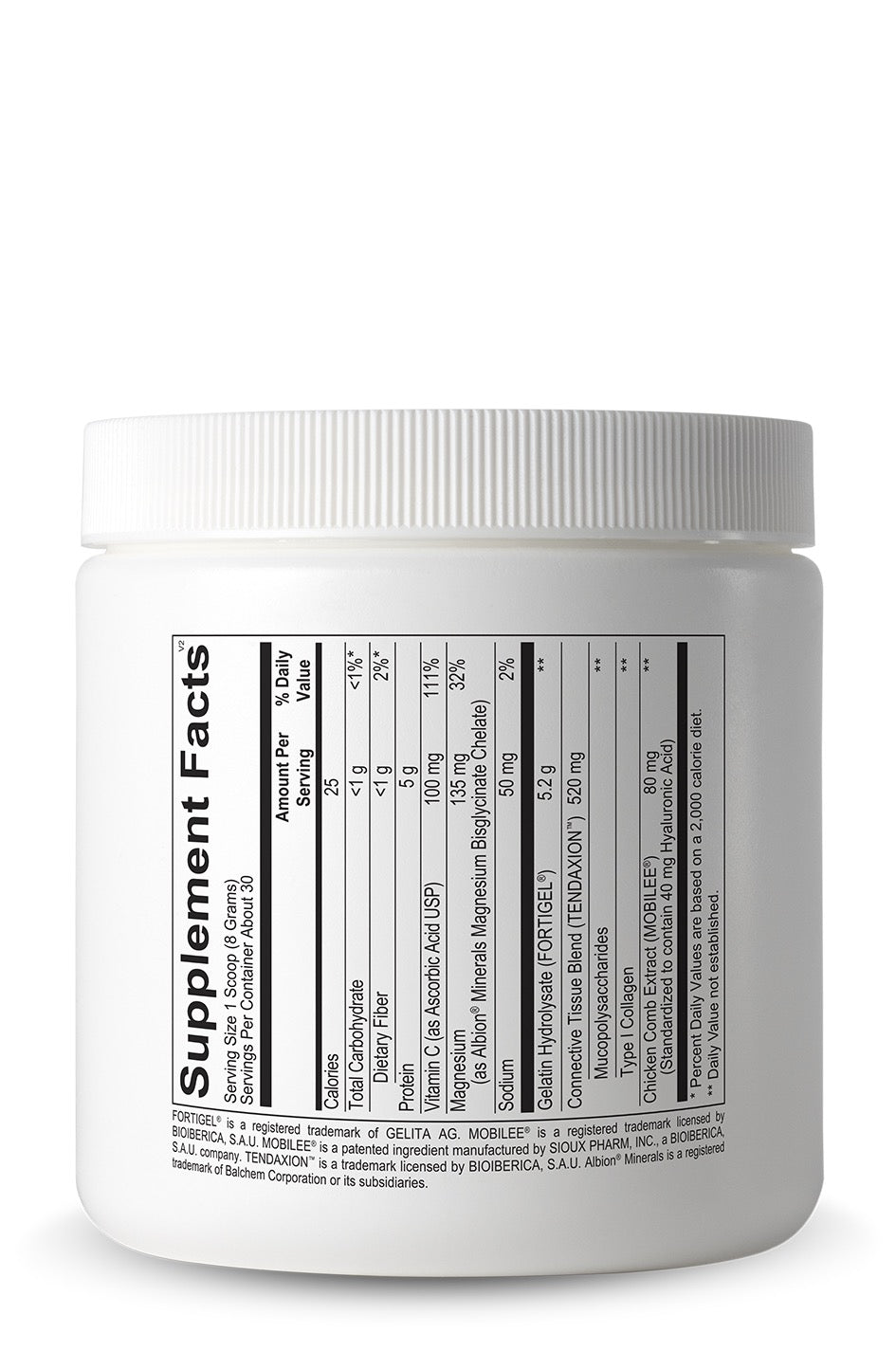
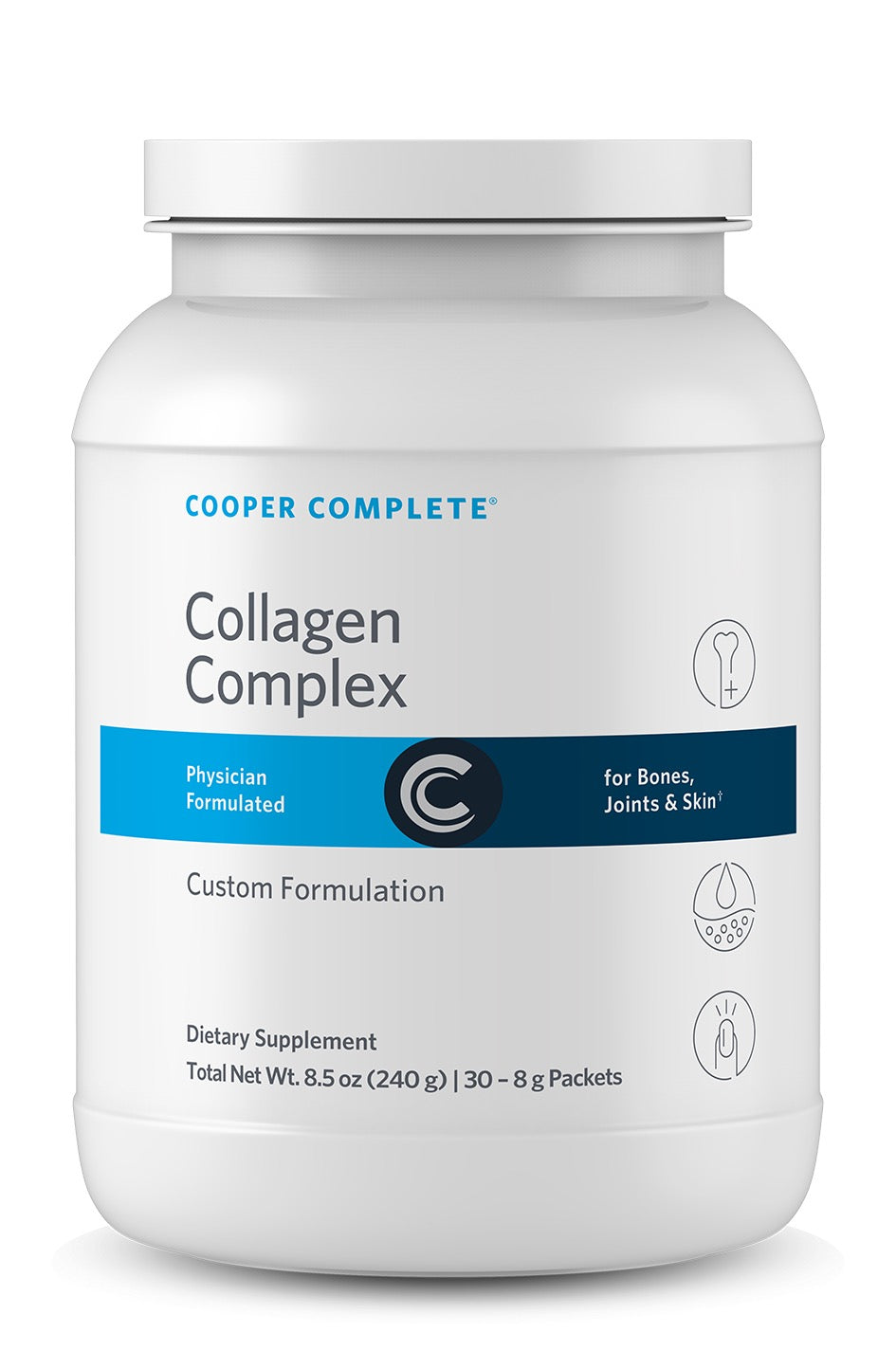
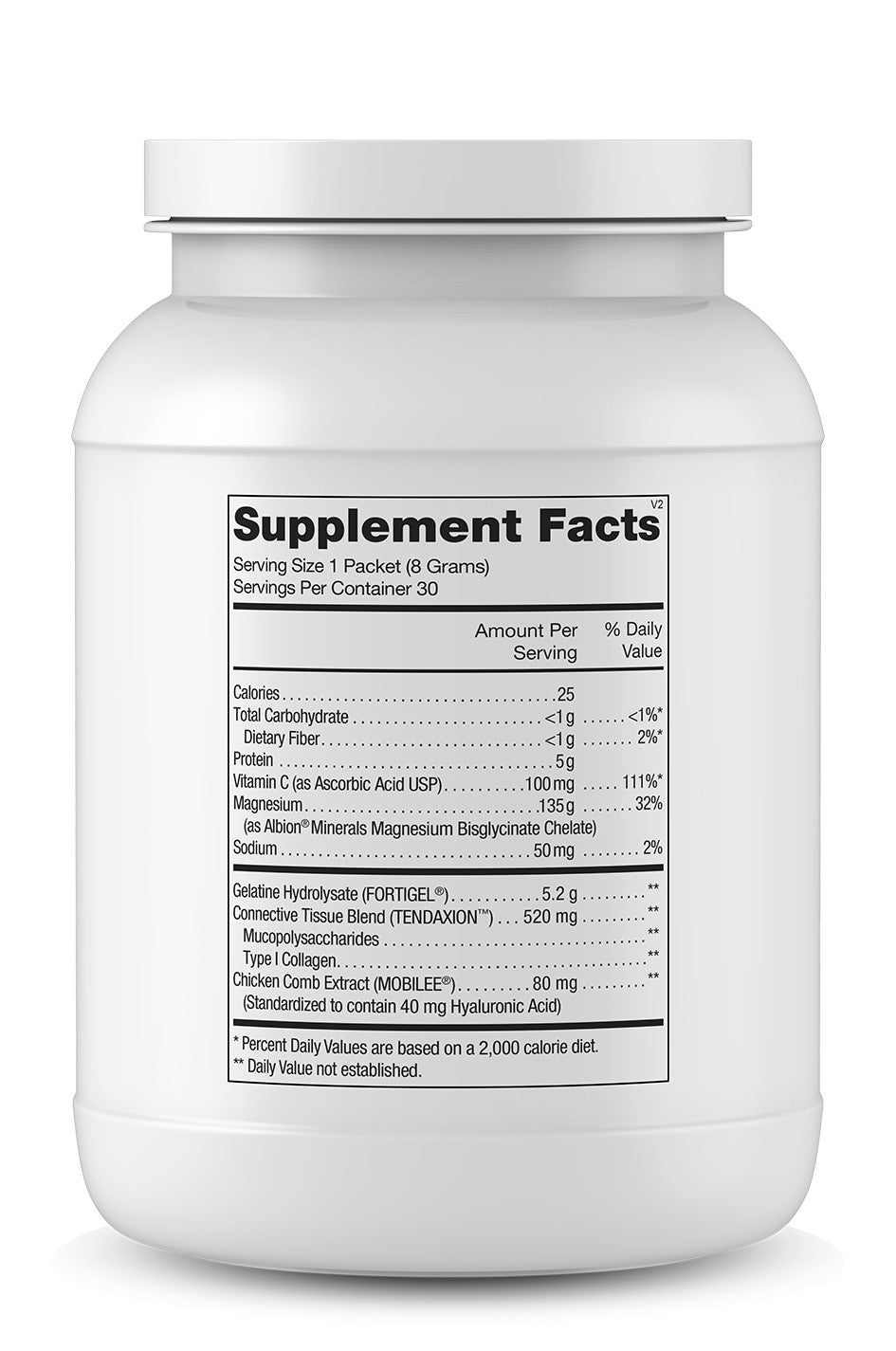
This supplement contains three clinically studied and patented type I and type II collagen peptides, along with vitamin C, magnesium, and hyaluronic acid. These ingredients support the natural healing process and help maintain connective tissue structure†, contributing to skin elasticity and firmness.†
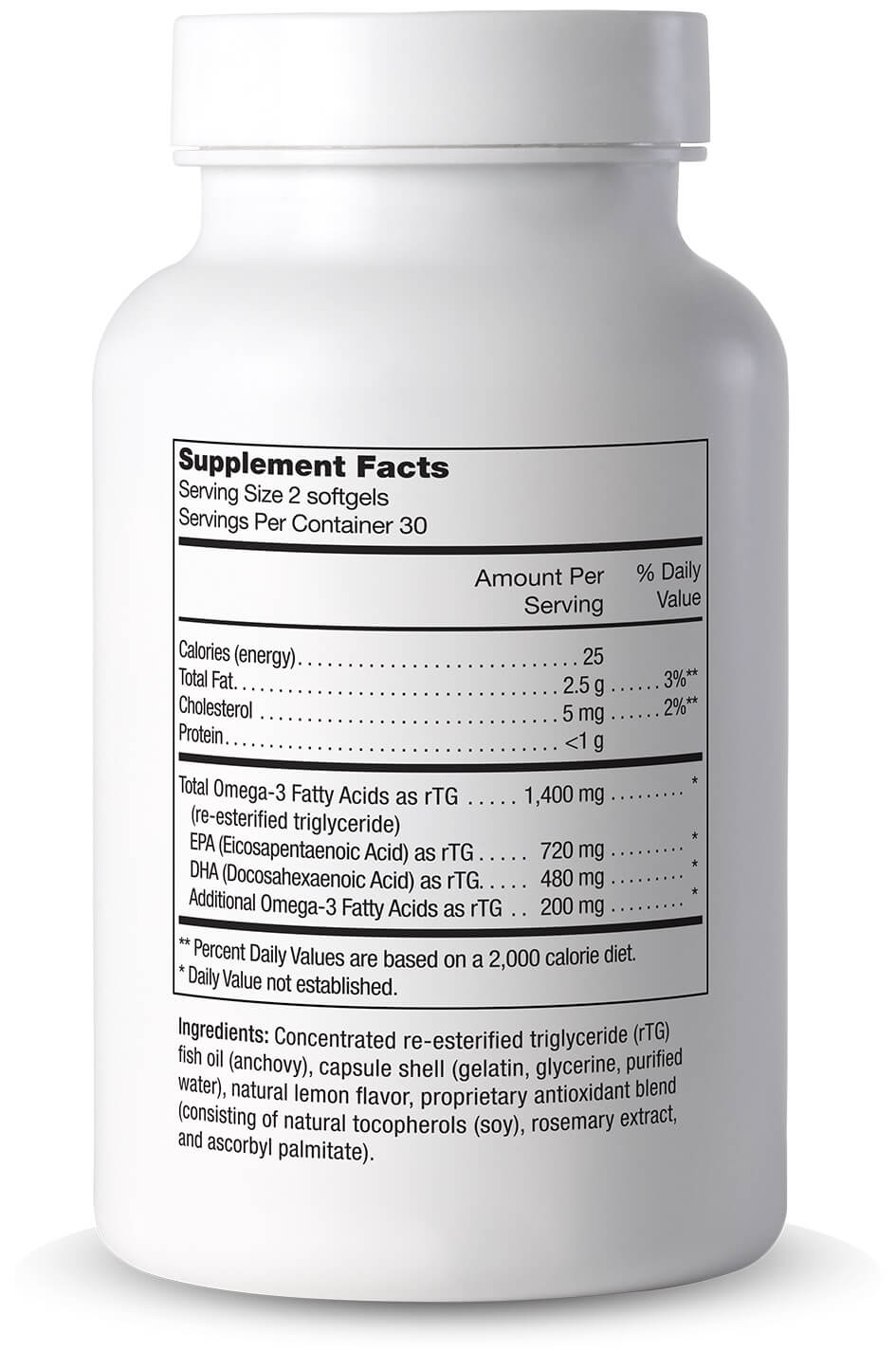
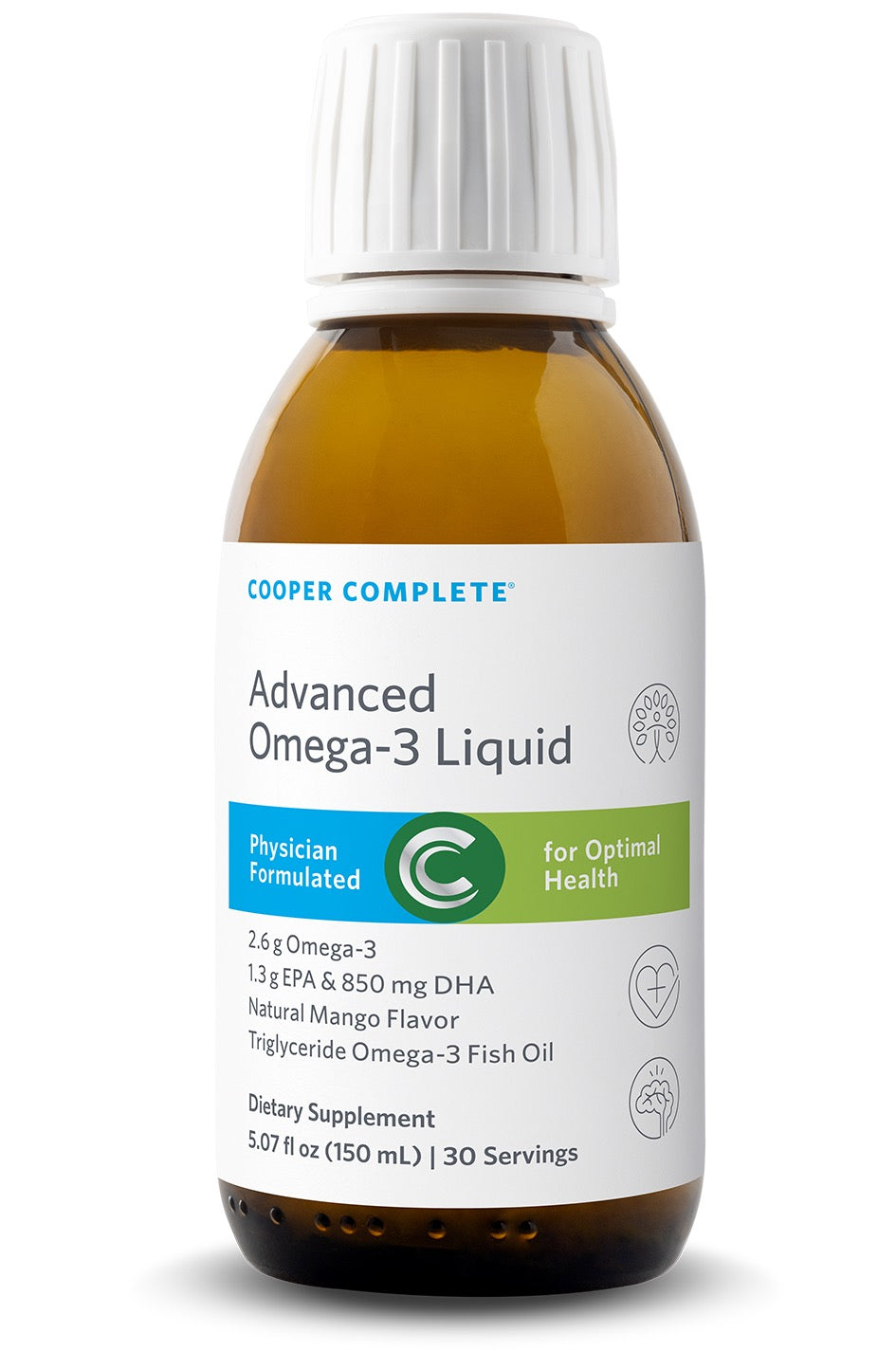
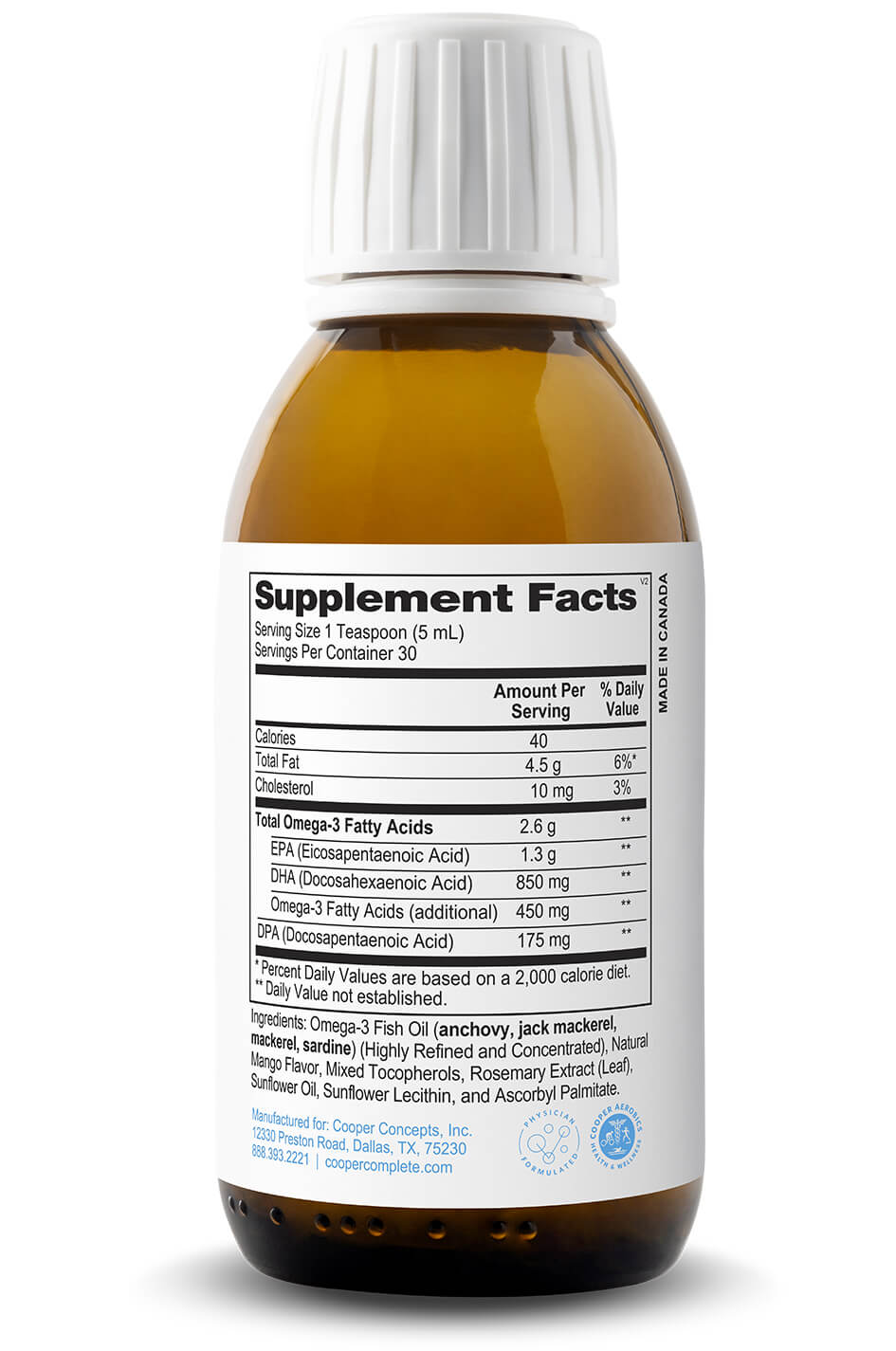
Healthy fats such as EPA and DHA (the primary omega-3s in this supplement) are important for keeping skin hydrated and calm. Omega-3s can help with dry or irritated skin and may be beneficial for managing redness or flare-ups.† Each serving provides 1,200 mg of EPA and DHA from deep ocean fish oil and is purified to exceed industry standards. This supplement supports skin moisture from the inside out.†
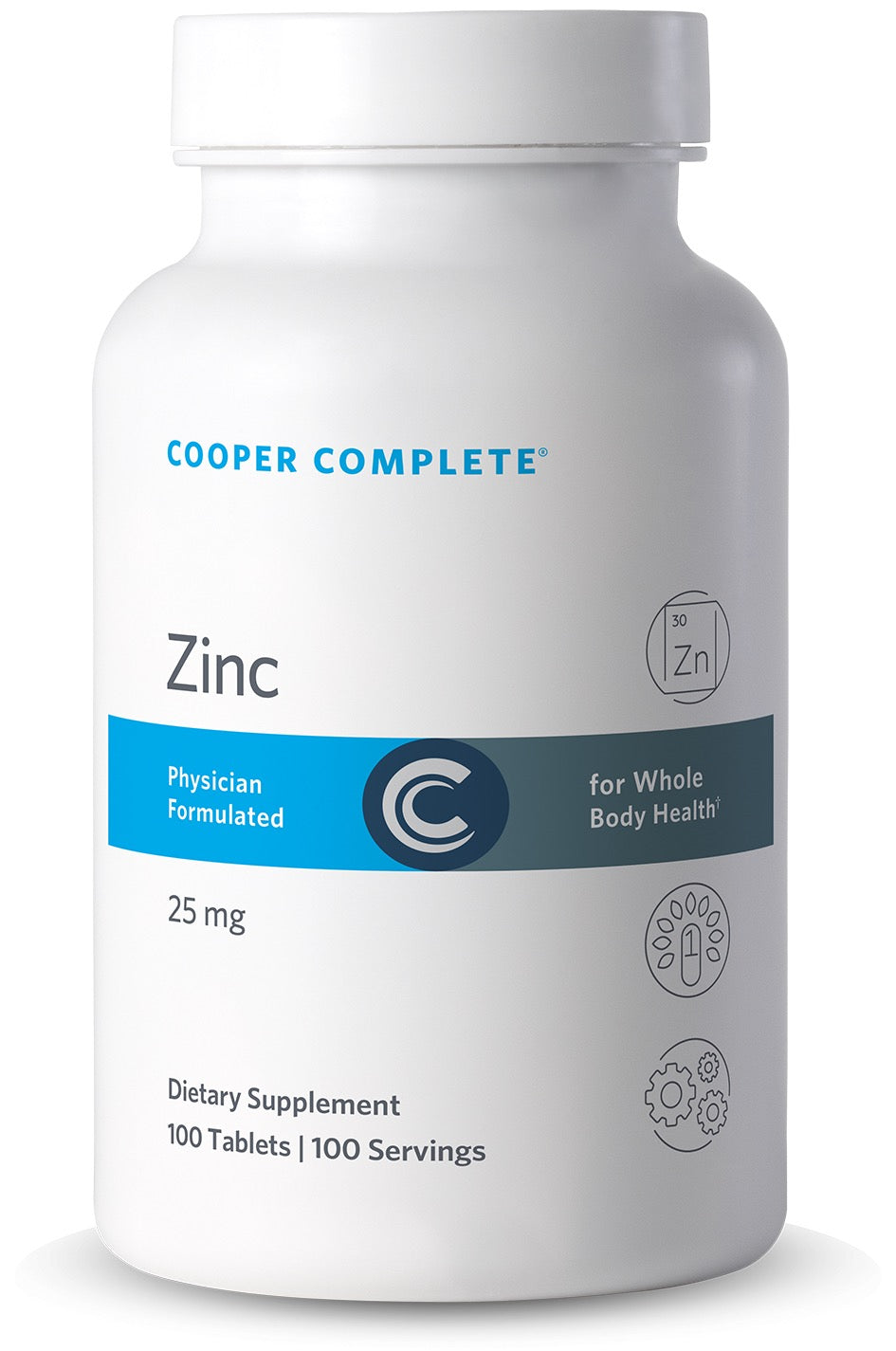
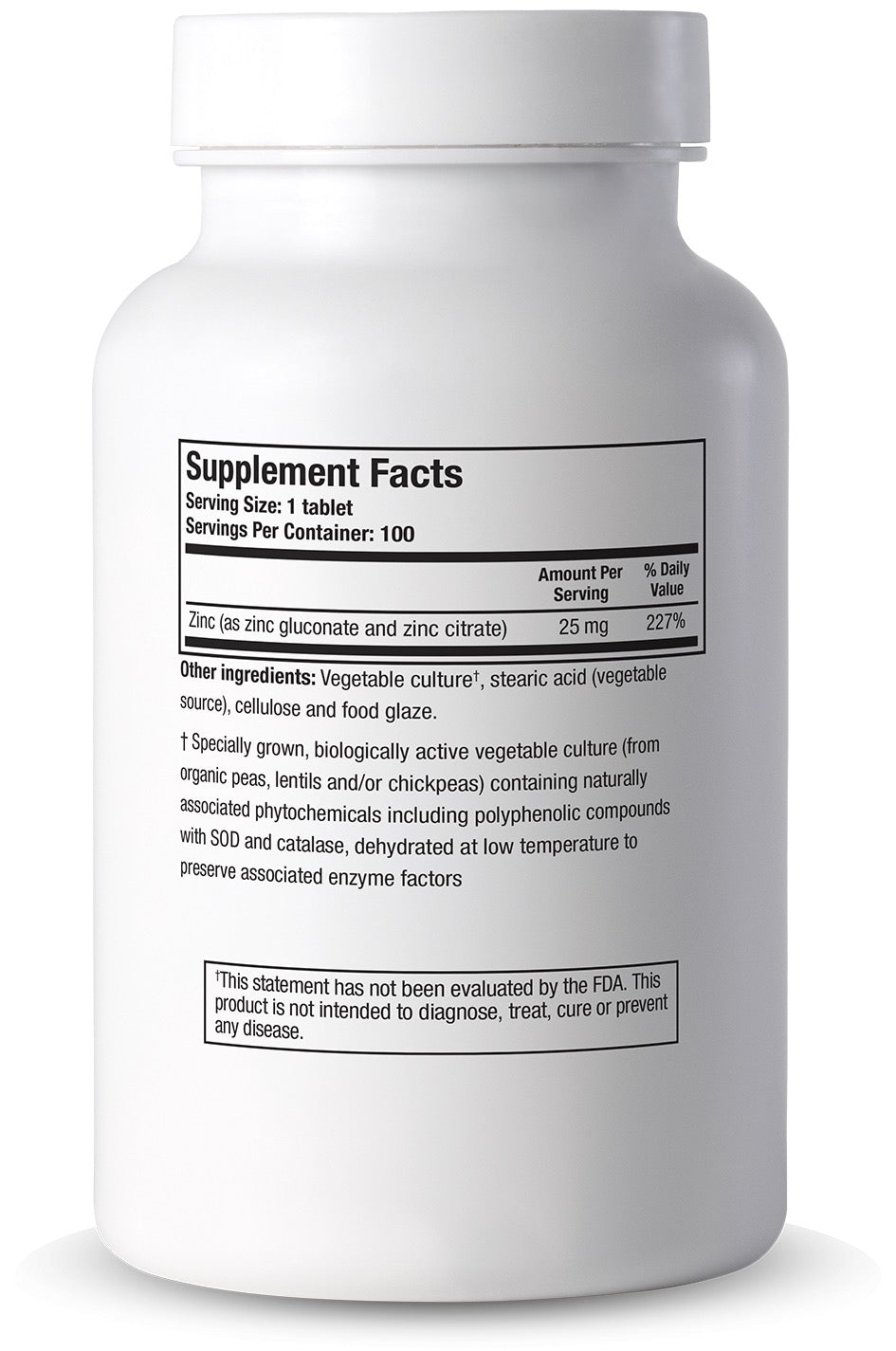
Zinc is a vital mineral that plays a significant role in skin health by supporting immune function, reducing inflammation, and promoting wound healing. Adequate zinc levels may help support skin health in people with occasional breakouts or inflammation.† Cooper Complete's Zinc Supplement provides 25 mg of zinc gluconate and zinc citrate, forms known for their bioavailability, ensuring effective absorption to support skin integrity and overall health.†
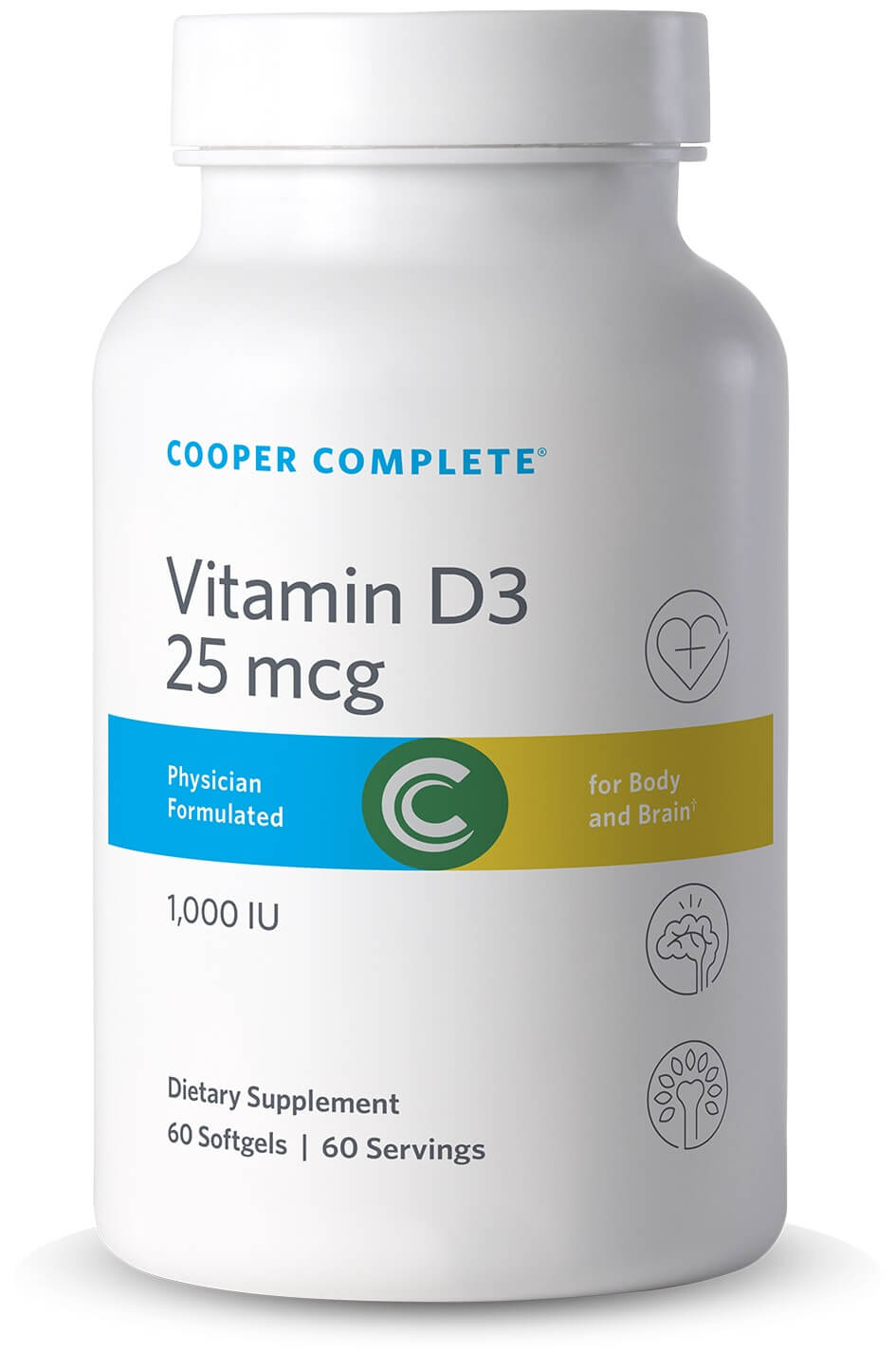
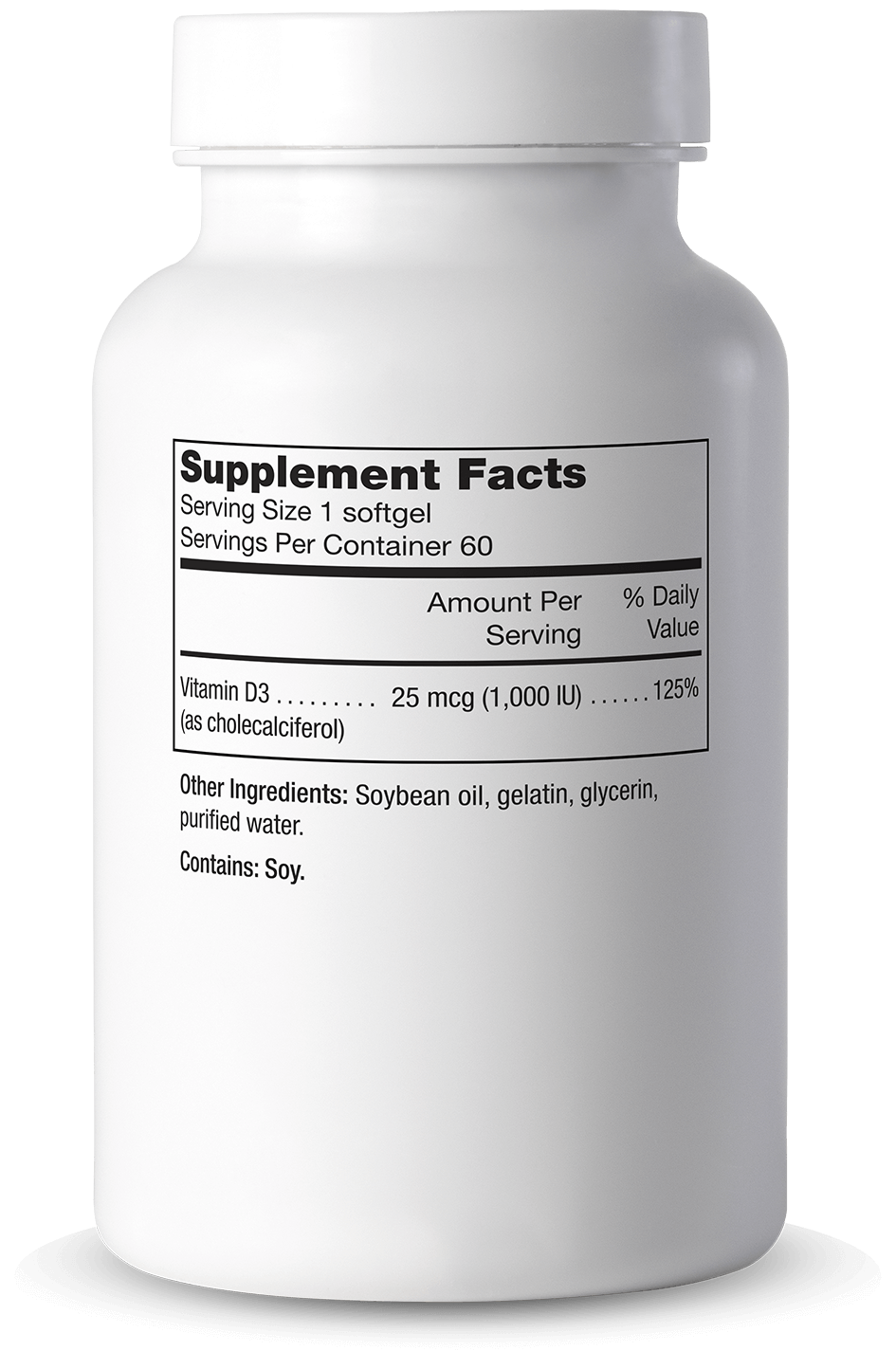
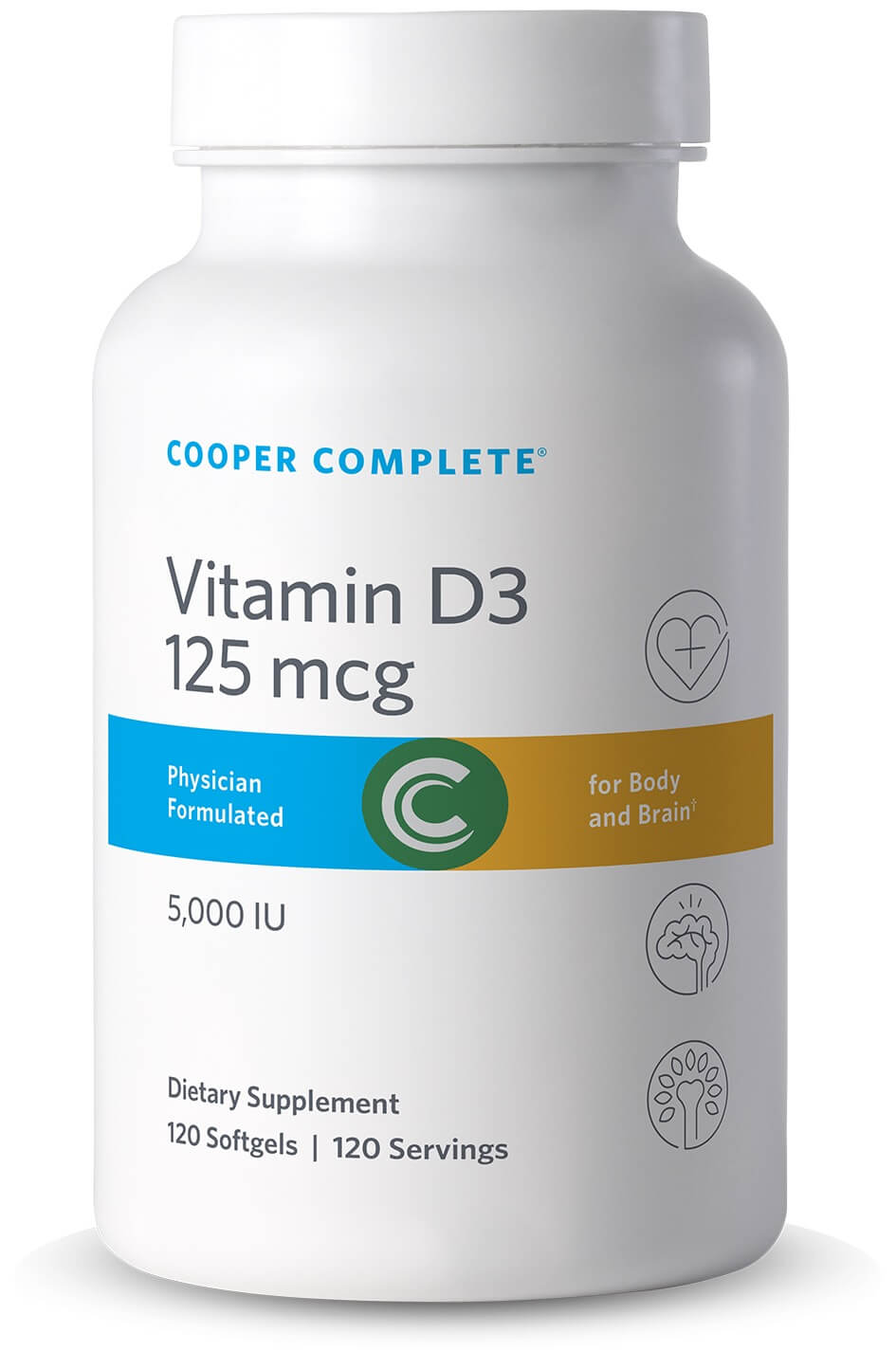
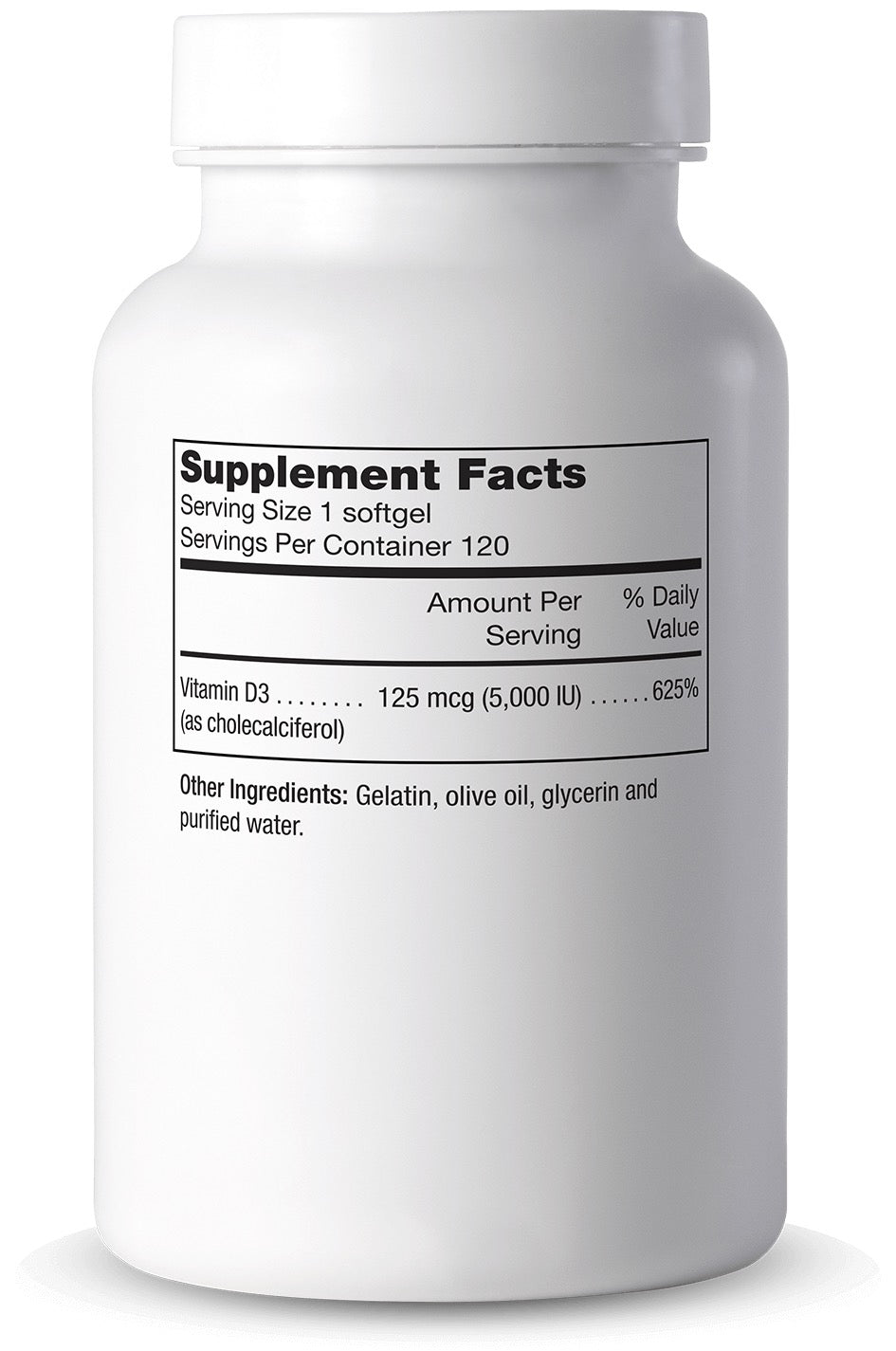
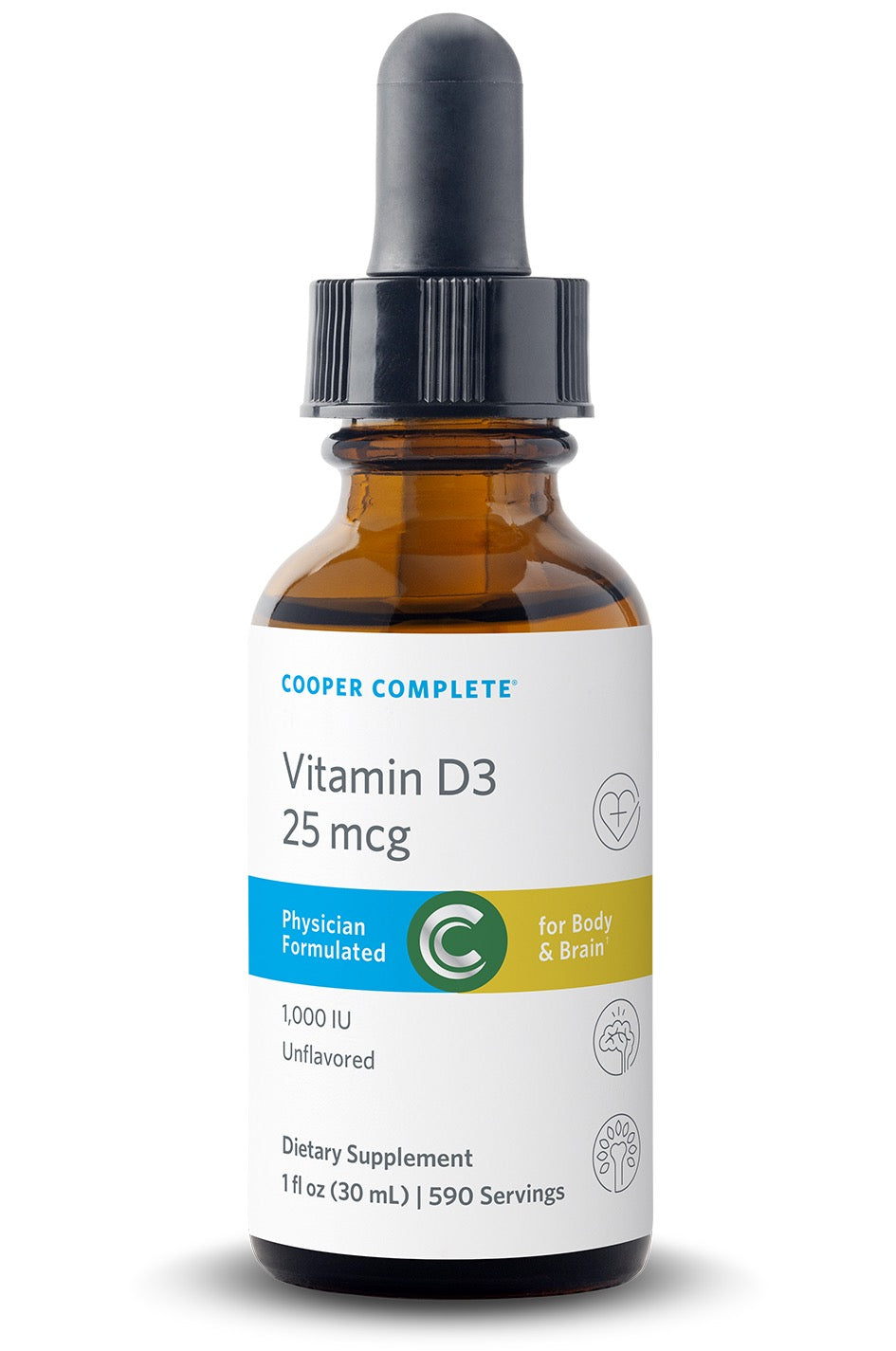
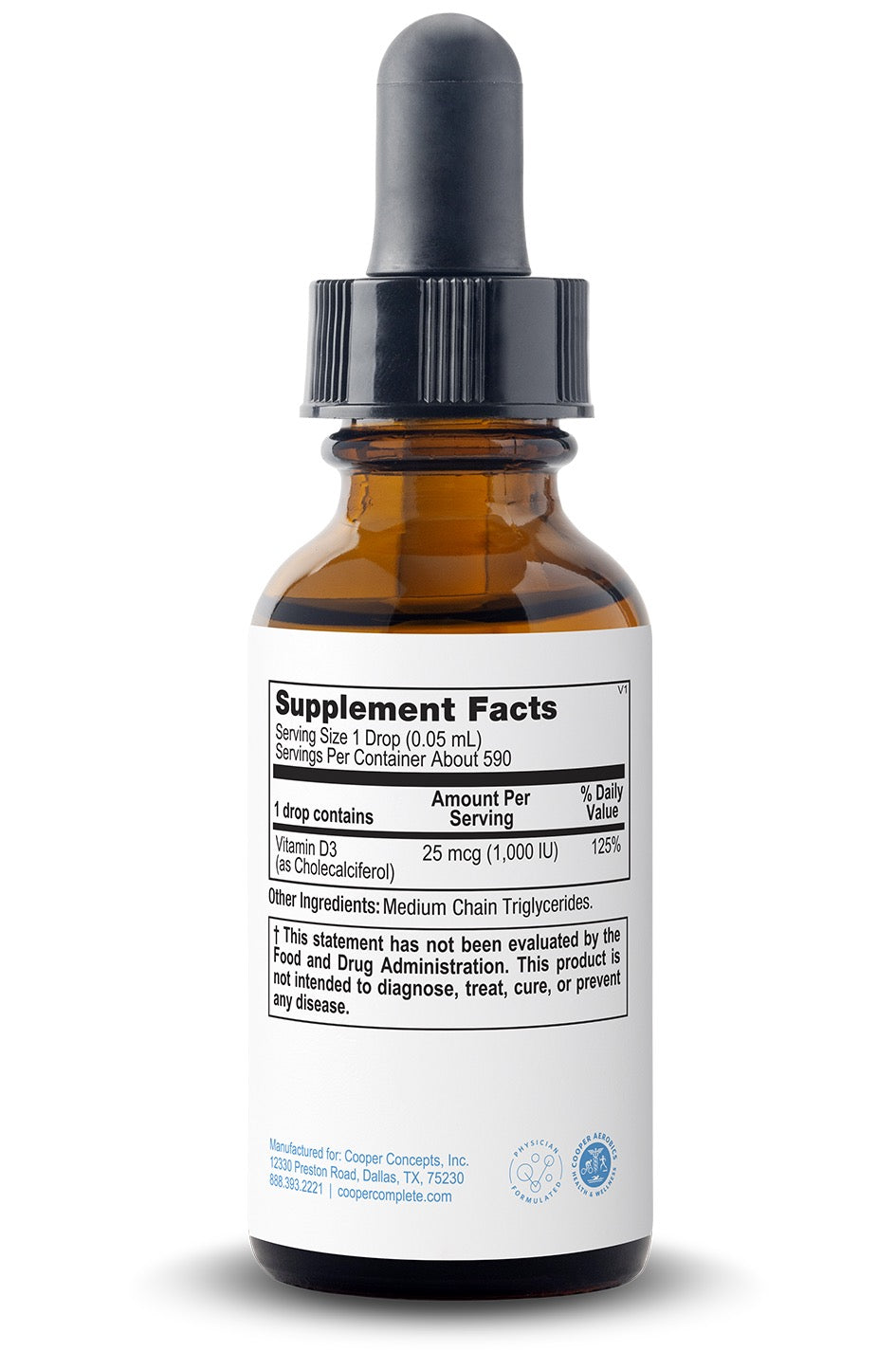
Vitamin D is often overlooked when it comes to skin health, but it may help maintain normal inflammatory balance and support healthy skin cell renewal.† Low vitamin D levels have been linked to psoriasis, eczema, and other skin conditions.† Cooper Complete’s Vitamin D3 supplements come in two strengths and use the D3 form, which is more easily absorbed and utilized by the body than D2.† If you’re not getting enough sun exposure or have low levels, supplementing with D3 can support both your skin and immune system.† Adding supplements like these to your routine can make a real difference†, especially if your diet is missing key nutrients. For the best results, talk to your doctor about which combination is right for you and pair them with everyday habits, such as staying hydrated, wearing sunscreen, and getting quality sleep, to keep your skin looking and feeling its best.†
Dietary and Lifestyle Changes that Help Your Skin
While supplements can provide valuable support for skin health, combining them with positive dietary and lifestyle habits can lead to even better results.
- Hydration: Drinking adequate fluids is crucial for maintaining skin elasticity and preventing dryness. Proper hydration helps your skin remain supple and can reduce the appearance of fine lines.
- Alcohol Consumption: Excessive alcohol intake can dehydrate your skin, leading to dullness and exacerbating conditions such as rosacea. It also reduces essential vitamins, such as A, C, and E, that are crucial for skin health.
- Smoking: Smoking accelerates skin aging, causing wrinkles and a sallow complexion. It damages collagen and elastin, leading to premature sagging.
- Sun Exposure: While some sun exposure is necessary for vitamin D synthesis, excessive UV exposure can lead to premature aging and increase the risk of skin cancer. Always use sunscreen and wear protective clothing when spending time outdoors.
- Diet: Consuming a balanced diet rich in fruits, vegetables, lean proteins, and healthy fats provides the nutrients your skin needs to stay healthy. Foods high in antioxidants can help combat free radical damage.
- Sleep: Adequate sleep allows your skin to repair and regenerate. Lack of sleep can lead to a dull complexion and exacerbate signs of aging.
By combining the right supplements with healthy lifestyle choices, you can support your skin's health from the inside out, leading to a more radiant and youthful appearance.†

 Visit Cooper Aerobics